The handover of a project is often seen as the end of the journey: the ribbon is cut, the team celebrates, and the keys change hands. In reality, it is only the beginning. A newly completed development, building, or development represents a promise, and the value that promise ultimately delivers depends on what happens in the years that follow.
Writer Stewart Brand dedicated an entire book to this idea. In How Buildings Learn, published in 1994, he argues that buildings improve over time when given the opportunity, and that their true life unfolds in the years following their completion or handover. To write the book, he consulted property managers and industry professionals, as well as architects. His conclusion: a successful project is measured by how well it ages.
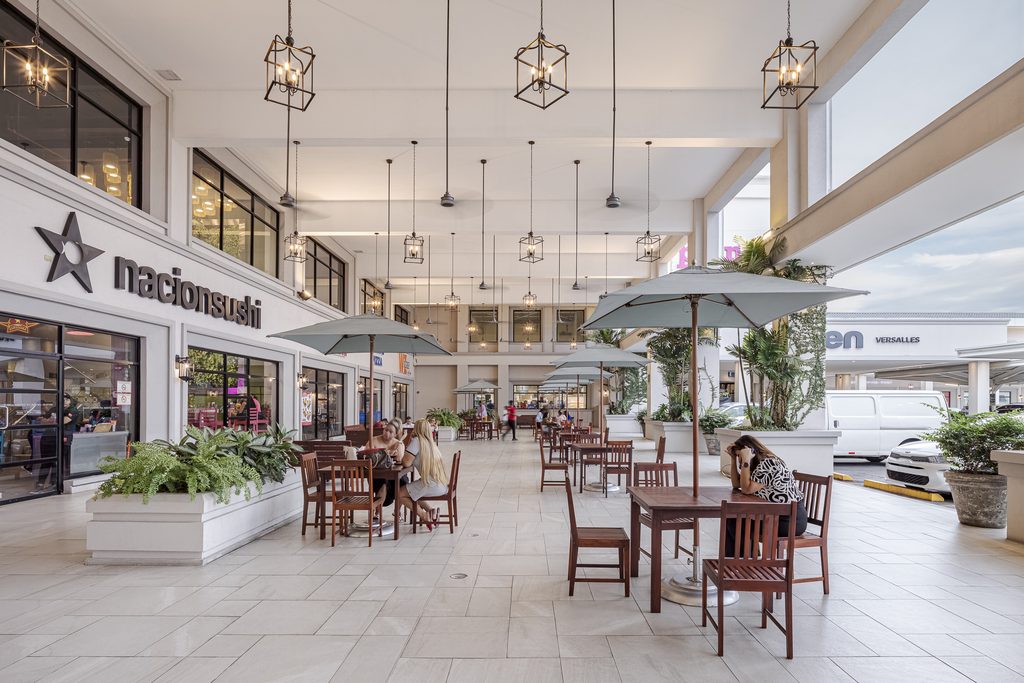
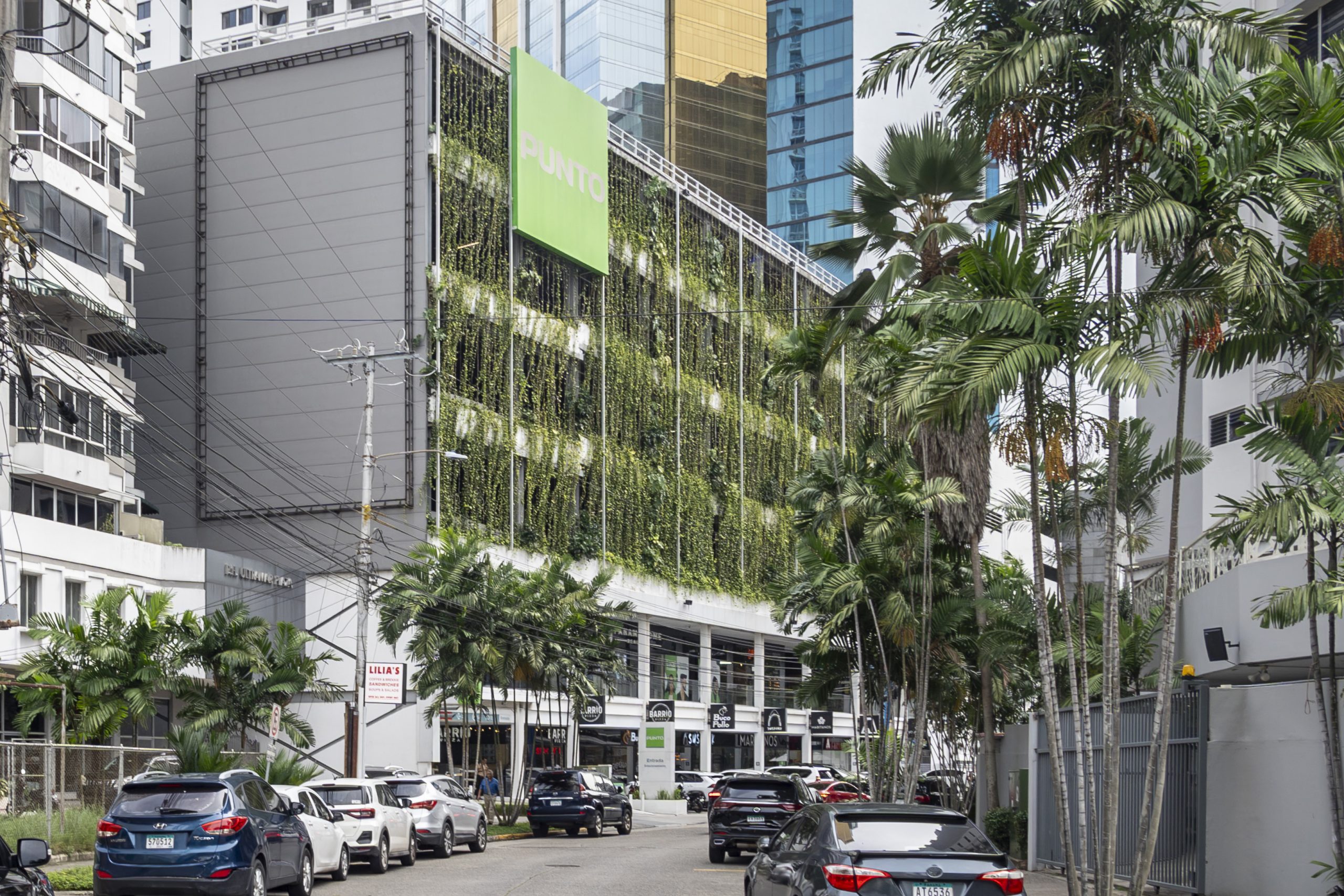
The lasting value of a property or shopping center is built through everyday experiences. A shopping center gains value when its tenants thrive, when visitors keep coming back, when maintenance upholds the overall experience, and when its tenant mix remains relevant five years later. This does not happen by chance. Behind it lies a clear vision, thoughtful tenant selection, and careful attention to detail. It requires an ongoing commitment to operations, property management, and understanding how the surrounding environment evolves.
This is where effective property management becomes essential, allowing a real estate asset to truly stand out. Two shopping centers that look identical on paper may end up with significantly different valuations or rental rates depending on who manages them and how they are operated. Similarly, two apartments of comparable size in the same neighborhood may have different values depending on the quality of community life and the developer behind them. Management that listens to tenants, adapts, invests in maintenance, and nurtures the surrounding community preserves a property’s relevance. A property that is handed over and then neglected gradually fades.
For investors, this is one of the most important factors to consider: a project supported by professional operations protects rental income and long-term property appreciation. However, operational strategies are not the same for every development. A project designed for sale follows a different business model from one developed for rental income. Understanding that distinction from the outset shapes how the property is managed and the results it delivers. Every resident who moves in, every business that opens, and every neighbor who walks through the shopping center leaves a lasting impression that, when properly managed, becomes part of the property’s reputation. And a place’s reputation is one of the few things that cannot be replicated.
At Locations, we approach every project with the belief that its true life begins on the day of handover. That is why we design developments to age well: adaptable spaces, thriving communities, and exceptional property management that supports each project long after its inauguration. The impact that truly matters is the impact that lasts.