Cities are not planned the same way they were twenty years ago. Habits have changed, the way people manage their time has evolved, and so have their expectations about what should be available near where they live and work.
For many years, real estate development followed a simple logic: people lived in one place, worked in another, and traveled elsewhere to shop or enjoy leisure activities. As a result, cities commonly developed areas dedicated primarily to commercial, residential, or even logistics uses. That model reflected a different era and a different way of understanding cities.
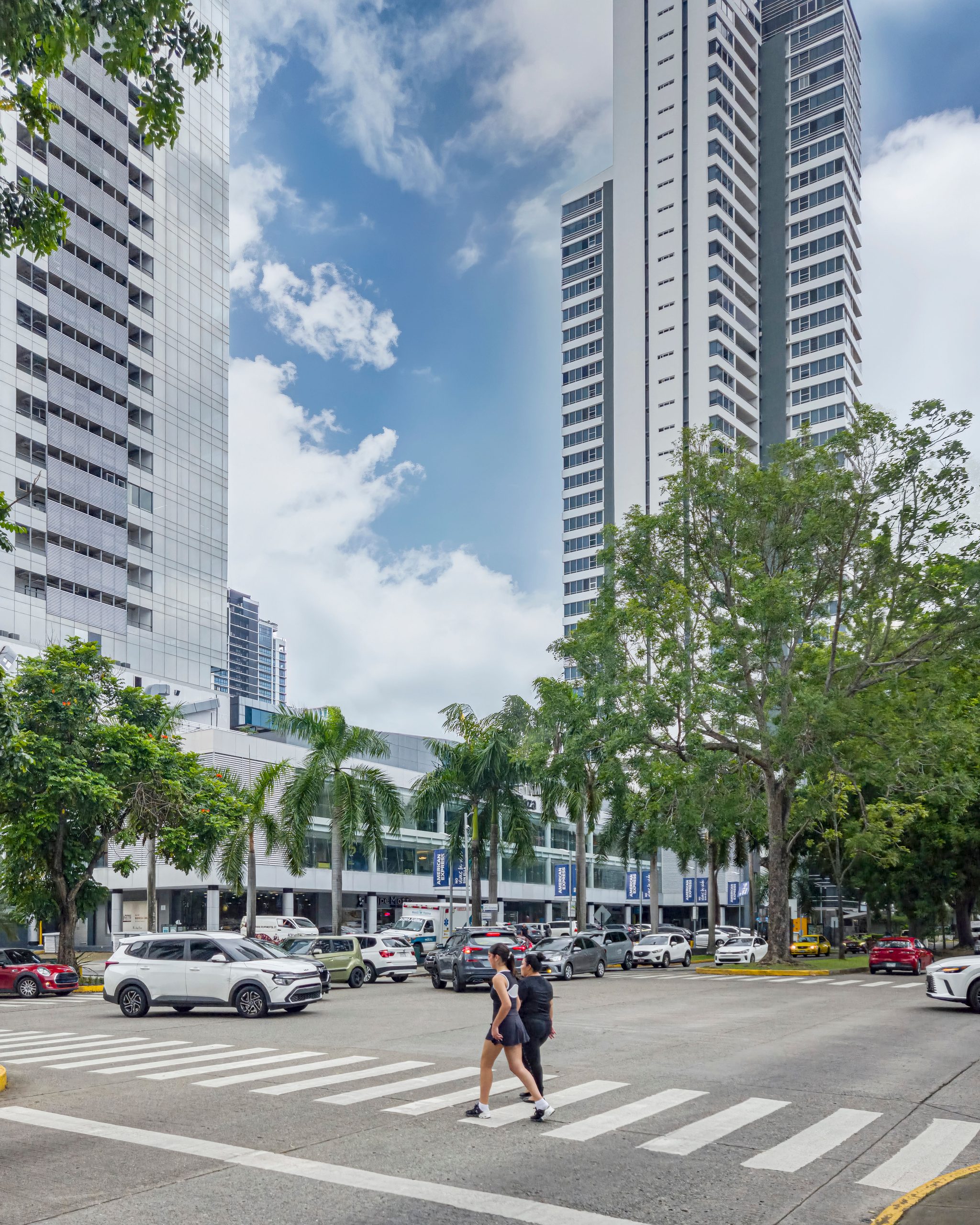
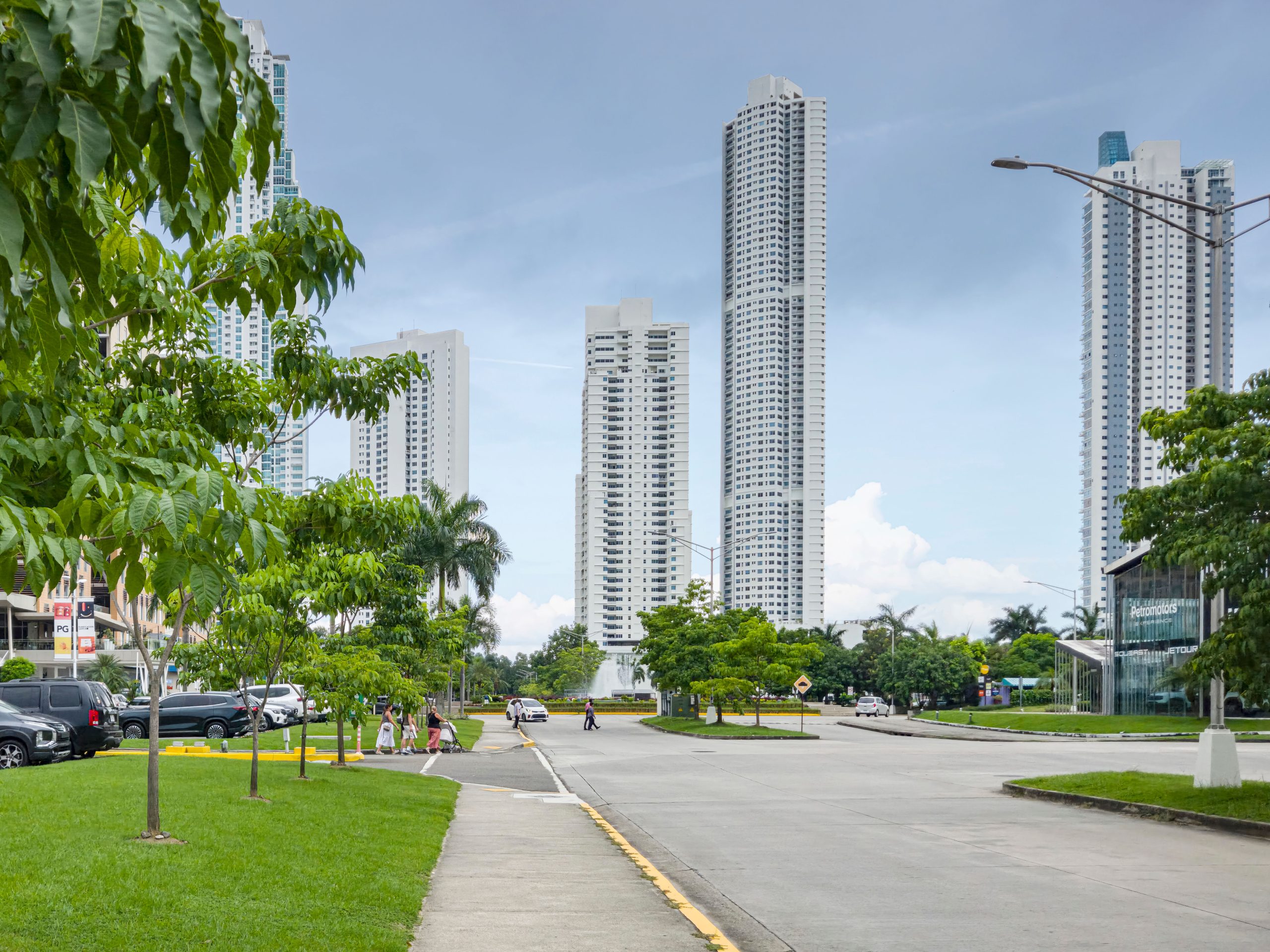
Today, people value proximity and expect to accomplish more within the same area. This reality has driven a new approach to urban development: mixed-use developments.
More Than Combining Uses: Integrating the City
When people think of mixed-use developments, they often picture projects that simply bring together residential, retail, and office spaces. However, their true value lies not in the combination of these components, but in how they interact and complement one another.
A well-designed mixed-use development allows different activities to coexist naturally. Residents have convenient access to nearby services. People who work in the area have options to meet their everyday needs throughout the day, while businesses benefit from a steady flow of people arriving for different reasons and at different times.
This dynamic creates more active spaces with a greater ability to remain relevant and vibrant over time.
A Vision That Benefits Everyone
Mixed-use developments represent an opportunity for everyone involved in the real estate market.
For residents, they provide greater convenience and a better quality of life. For businesses, they create an active community that supports economic activity. And for investors, they offer projects that diversify sources of value while responding to trends that will continue to shape the growth of cities.
Mixed-use developments are not intended to replace residential or commercial development. Instead, they demonstrate how both can complement one another to create stronger and more sustainable projects.
Real estate development will continue to evolve alongside our cities. At Locations, we aim to develop projects that respond to the way people want to live today—and in the years to come.