Cities are in constant evolution. As they grow and become more densely populated, the challenges associated with infrastructure and the quality of public spaces also increase. For this reason, there are urban decisions that, although often overlooked, have a significant impact on how we experience city life. Underground cabling is one of them.
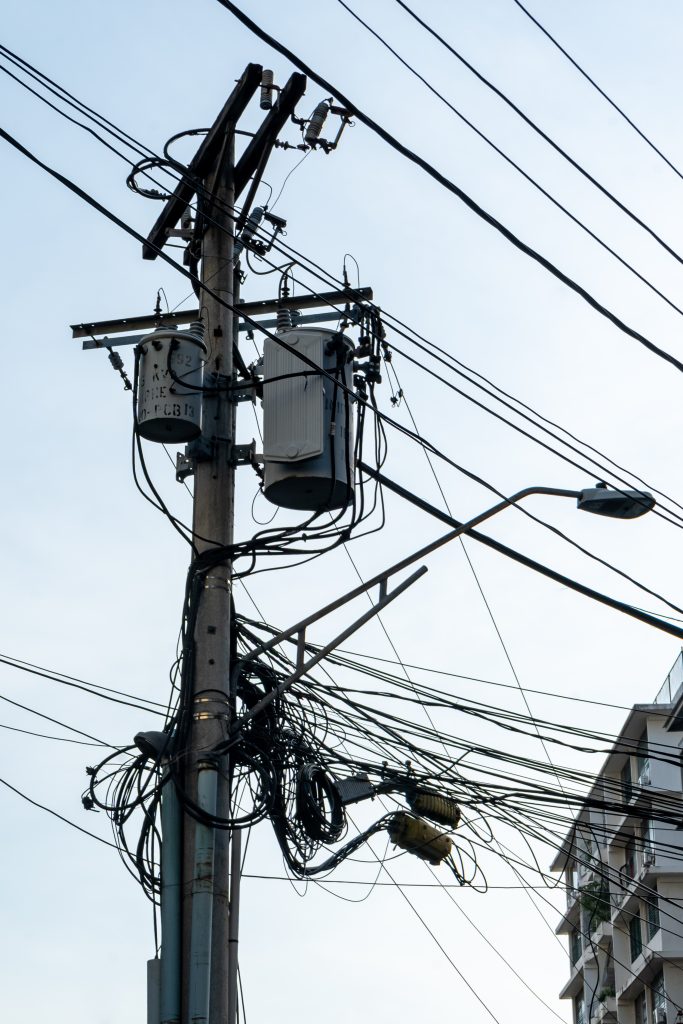
Traditionally, electrical and telecommunications networks have been a visible part of the urban landscape, creating visual clutter, safety risks, and greater vulnerability to weather-related events. Moving these networks underground represents a structural transformation with tangible benefits for both the city and its inhabitants.
From a safety standpoint, this solution reduces the risk of fallen lines, accidents, and prolonged service outages. By being protected underground, networks are less exposed to storms, strong winds, or external interference, resulting in greater continuity and reliability of essential services.
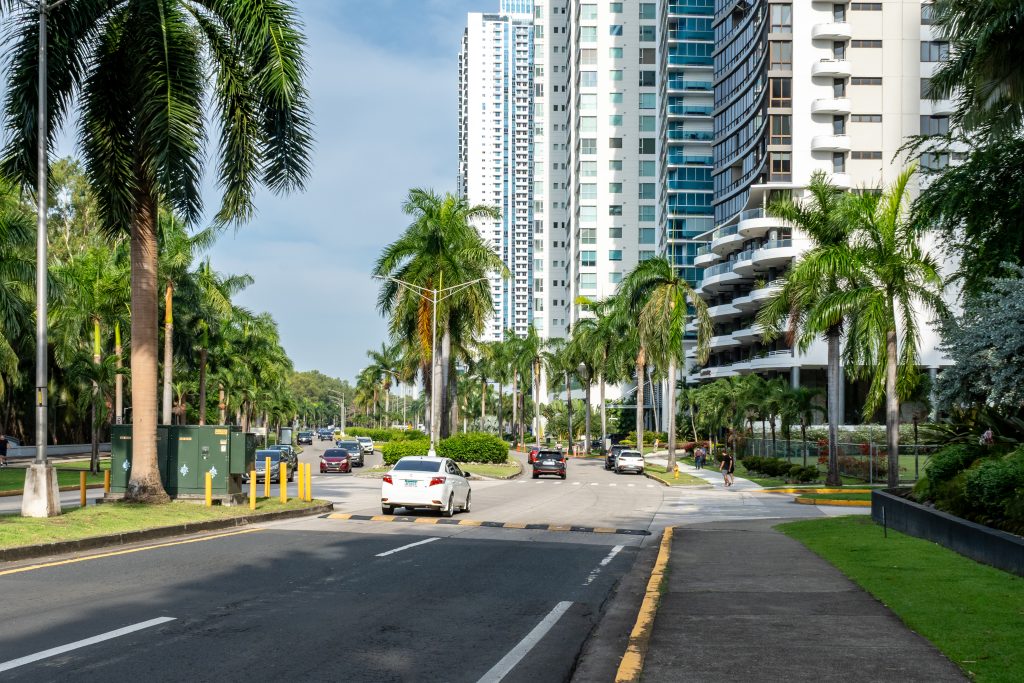
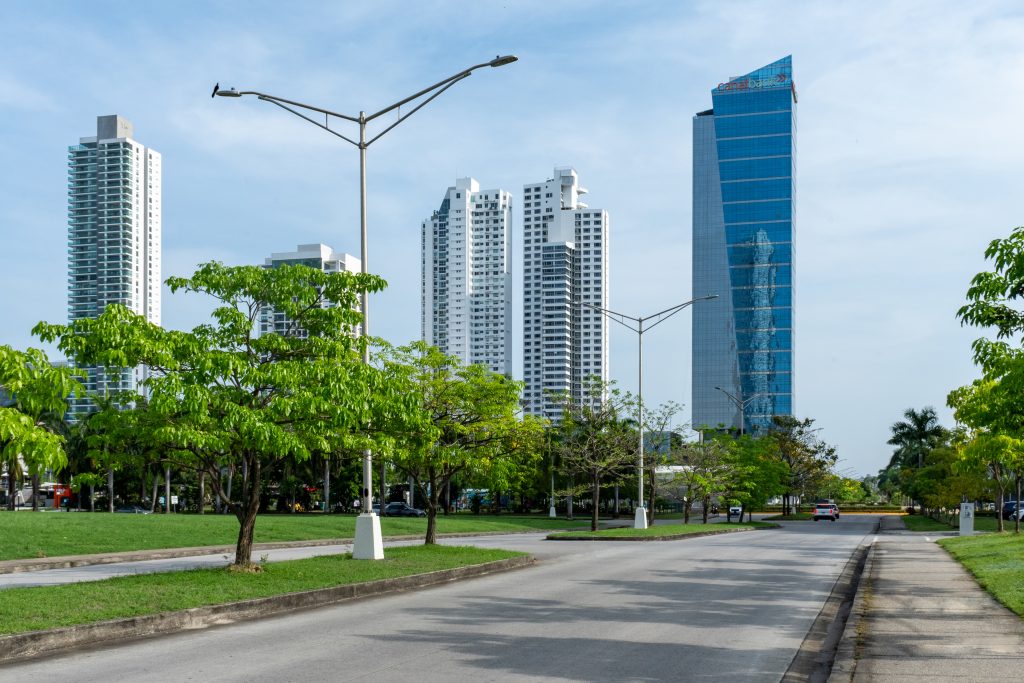
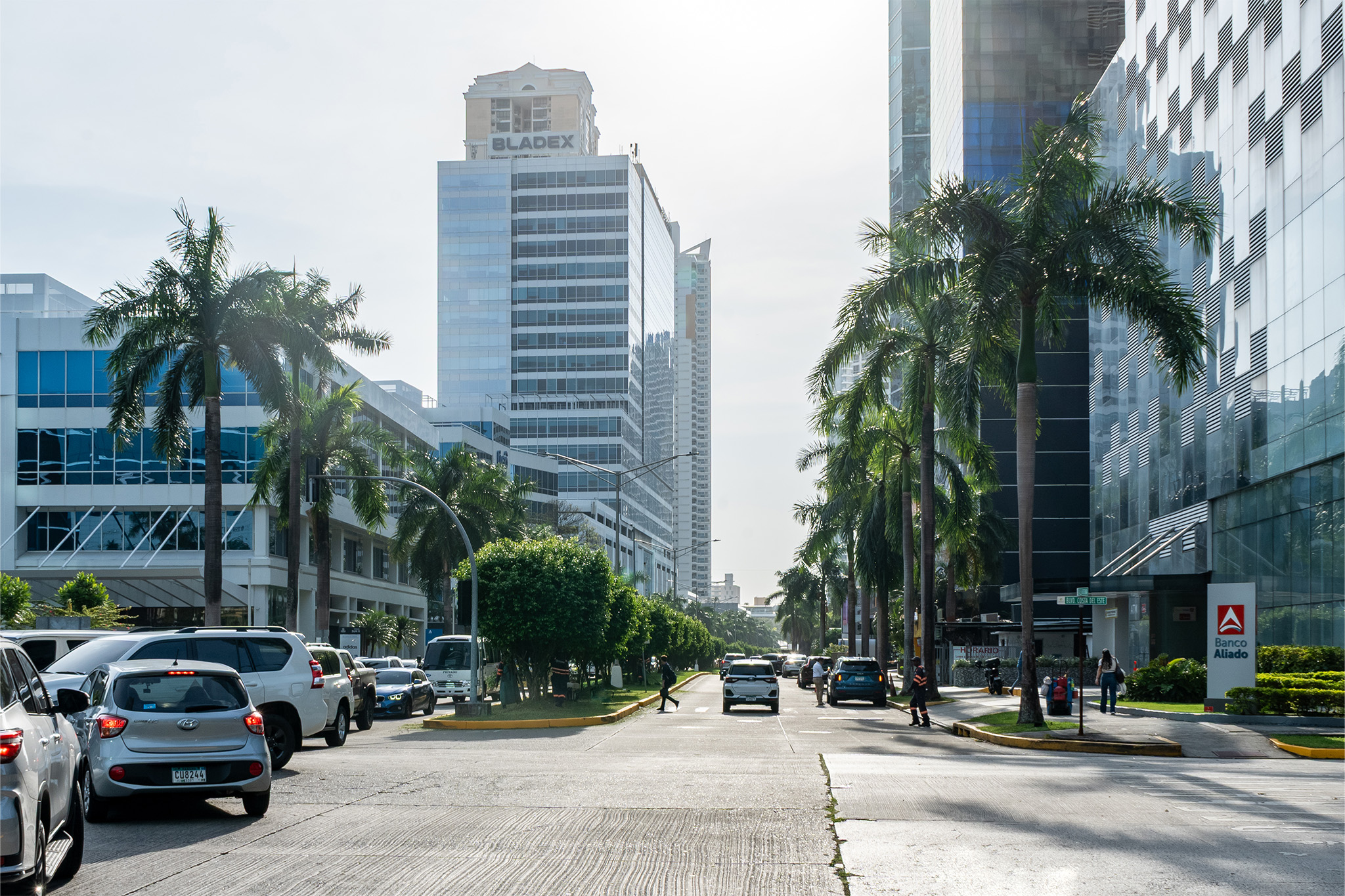
In terms of urban order and public space, the impact is also significant. Eliminating overhead cables visually declutters the streets, enhances the city’s aesthetics (for both residents and visitors), and promotes better integration of the built environment.
Furthermore, underground cabling reflects a long-term vision in urban planning. Although it requires a considerable investment, its benefits endure over time and help prepare cities to grow in a more organized and sustainable way. It is a decision that goes beyond the short term and demonstrates a real commitment to responsible urban development.
From a real estate development perspective, incorporating this type of infrastructure means understanding that each project is part of a larger urban system. At Locations, we believe that building the city we want also means recognizing that private decisions generate public impacts, and that investing in higher infrastructure standards is ultimately an investment in a better urban quality of life. Developing with vision means looking beyond the project itself and contributing, through every decision, to building better-planned cities that are prepared for the future.