Real estate developers in markets such as Panama are facing a reality that has already transformed other industries. Product differentiation alone is no longer enough; the experience of a place has become increasingly valuable.
For a developer like Locations, whose primary focus has traditionally been retail destinations, this shift translates into a clear equation: creating places that inspire people to want to be there.
While the tenant mix remains essential, visitor traffic and with it occupancy, consumer spending, and tenant retention depends more than ever on a space’s ability to function as a destination. A place people intentionally choose to visit, not simply one they pass through.
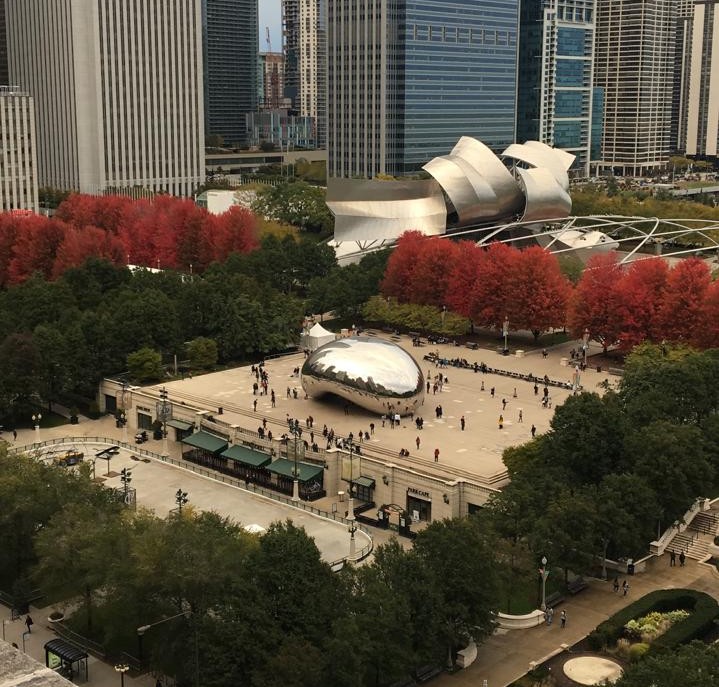
Chicago’s Millennium Park is a clear example. The Bean transformed a public space into a cultural landmark that revitalized the entire district, increasing its appeal and driving both commercial and residential demand. Miami’s Design District achieved a similar transformation. In both cases, identity turned a location into a destination. The experience begins long before someone enters the project itself: it starts with the journey, connectivity, walkability, shade, and urban activity. The spaces that create emotional connections are ultimately the ones that generate the strongest economic outcomes.
Within this framework, three key factors determine whether a commercial development can become a true destination.
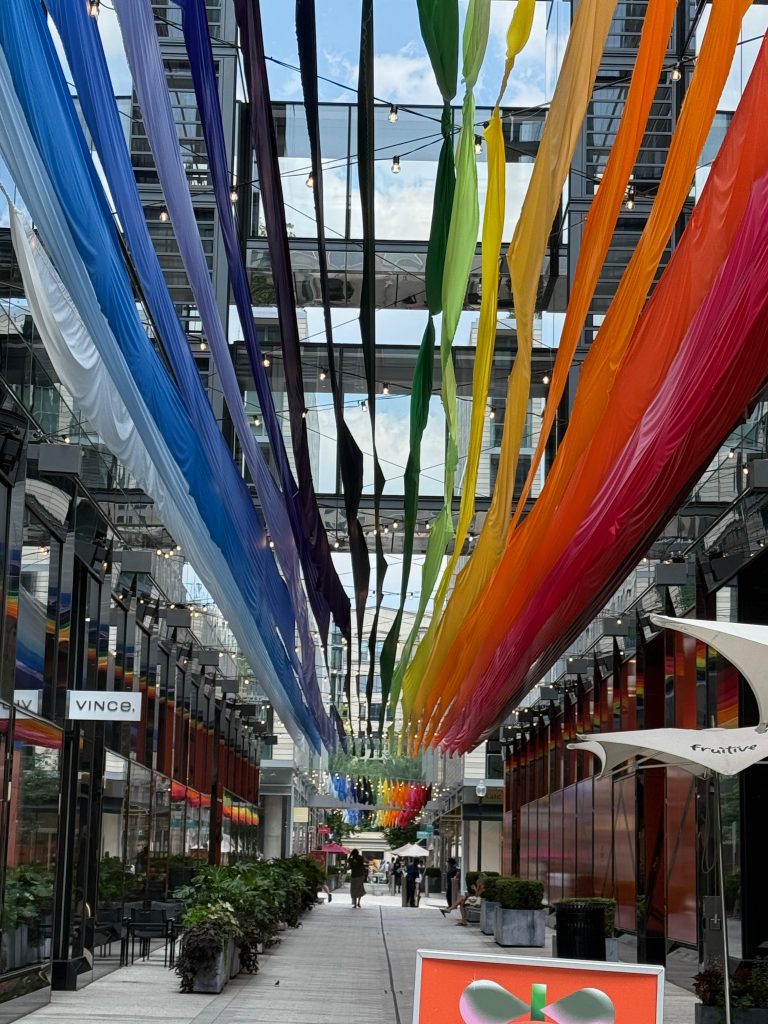
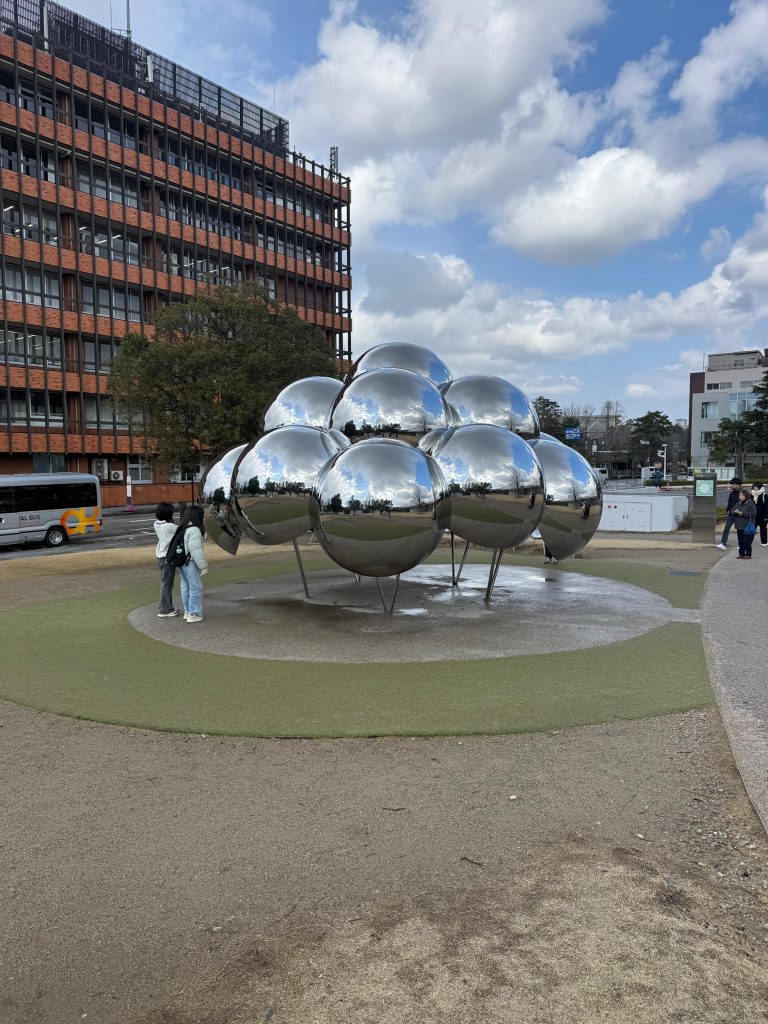
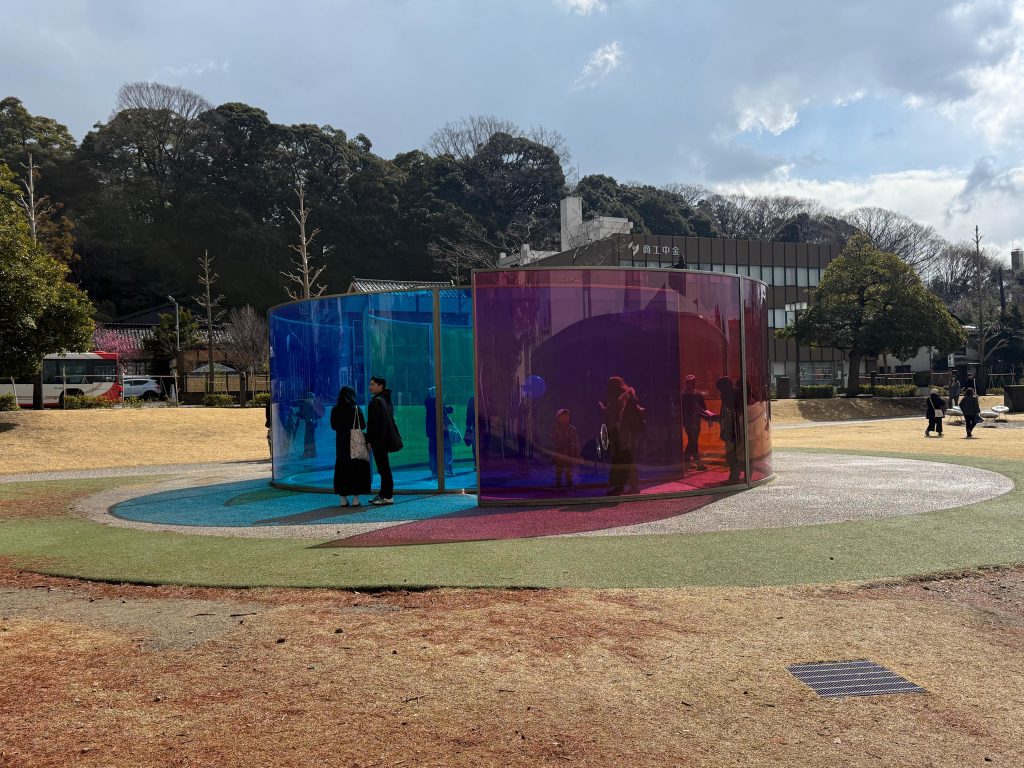
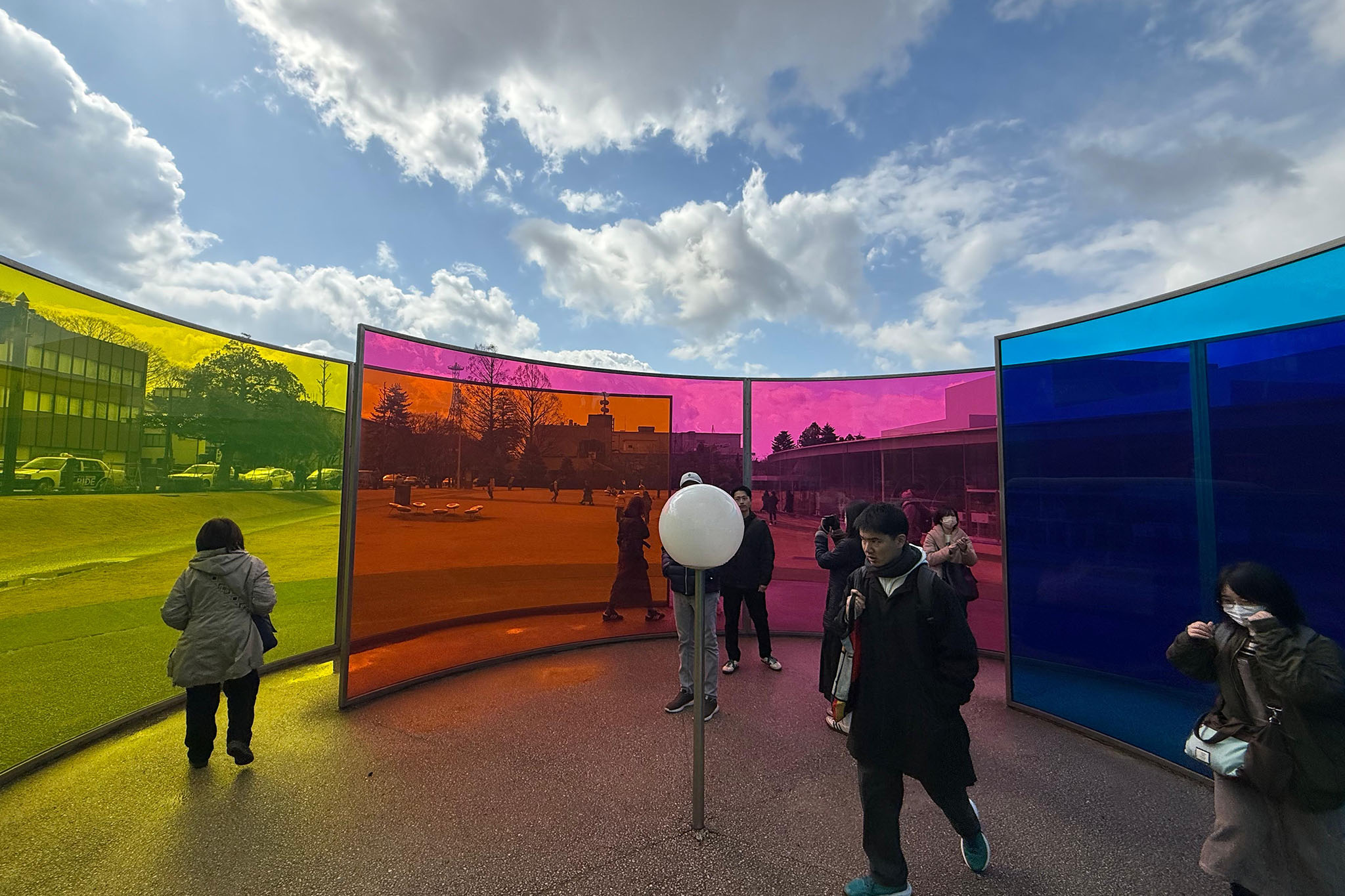
The first is identity. A place with a distinctive identity attracts brands that want to be associated with its story, not just its location. Public art, cultural programming, and curated activations foster emotional connections; people connect emotionally with a place before they connect financially. Before designing any development, every developer should ask: What story do I want this place to tell? What legacy do I want to leave behind?
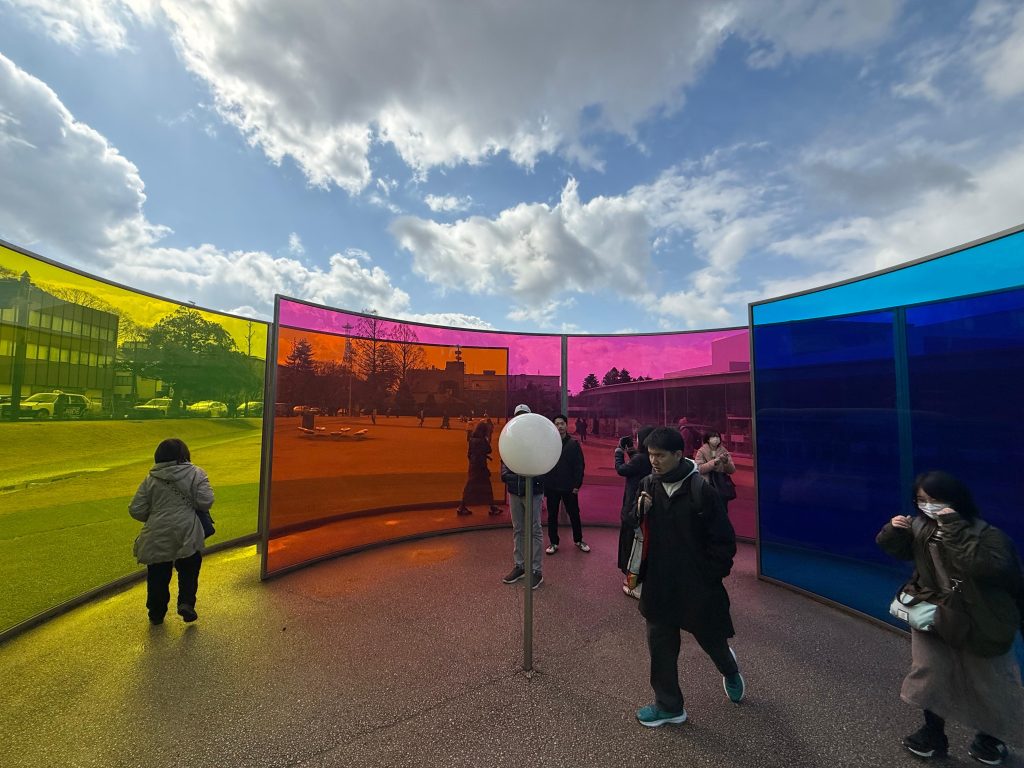
The second is community. The concept of luxury has evolved, and each individual now defines it differently. As a result, community and lifestyle have become closely connected. Today’s customer or visitor wants to know how they will feel and whether they can belong to something meaningful. Building community does not require enormous budgets it requires intentionality: finding the right balance between shared and leasable spaces, creating environments that encourage interaction, and offering programming that gives people reasons to return. The true measure of success is whether people stay and come back.
The third is local adaptation. There is no universal formula that can simply be replicated. Every project must develop its own identity and tailor it to its market. Bringing internationally recognized concepts and experiences can be a powerful strategy, but execution must reflect local behaviors, expectations, and climate. In Panama, that means understanding how people live, when public spaces come alive, and what types of programming build long-term loyalty rather than simply attracting occasional visitors.
Panama is uniquely positioned to capitalize on this transition. The country has established itself as a leading destination for real estate development, the market continues to mature, and both buyers and tenants are raising their expectations. At Locations, we are committed to this vision: creating places where people genuinely want to be.