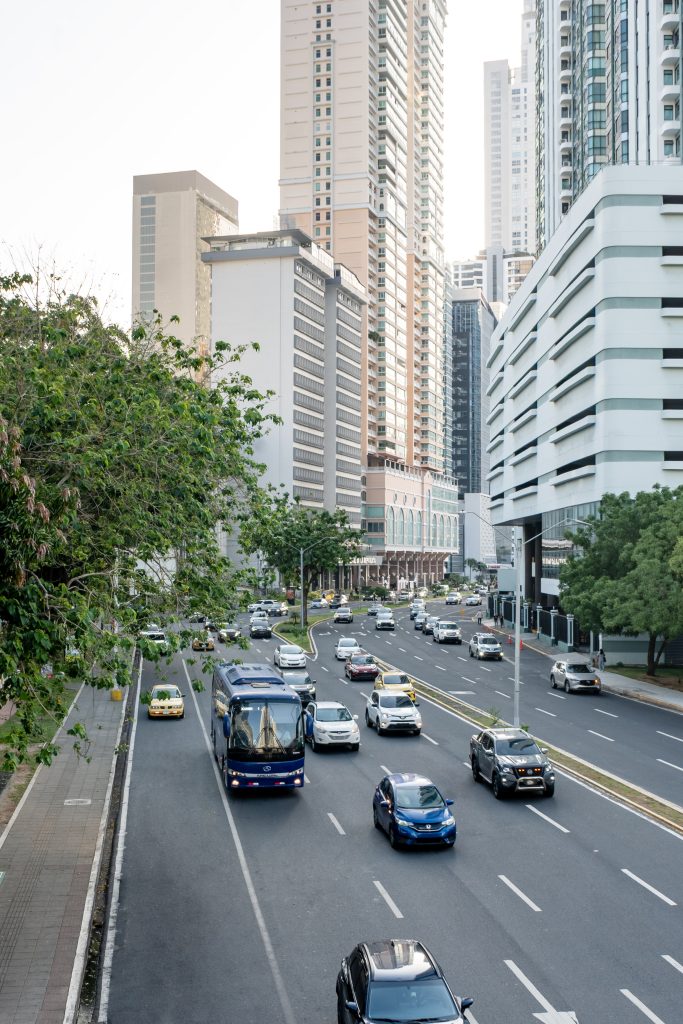
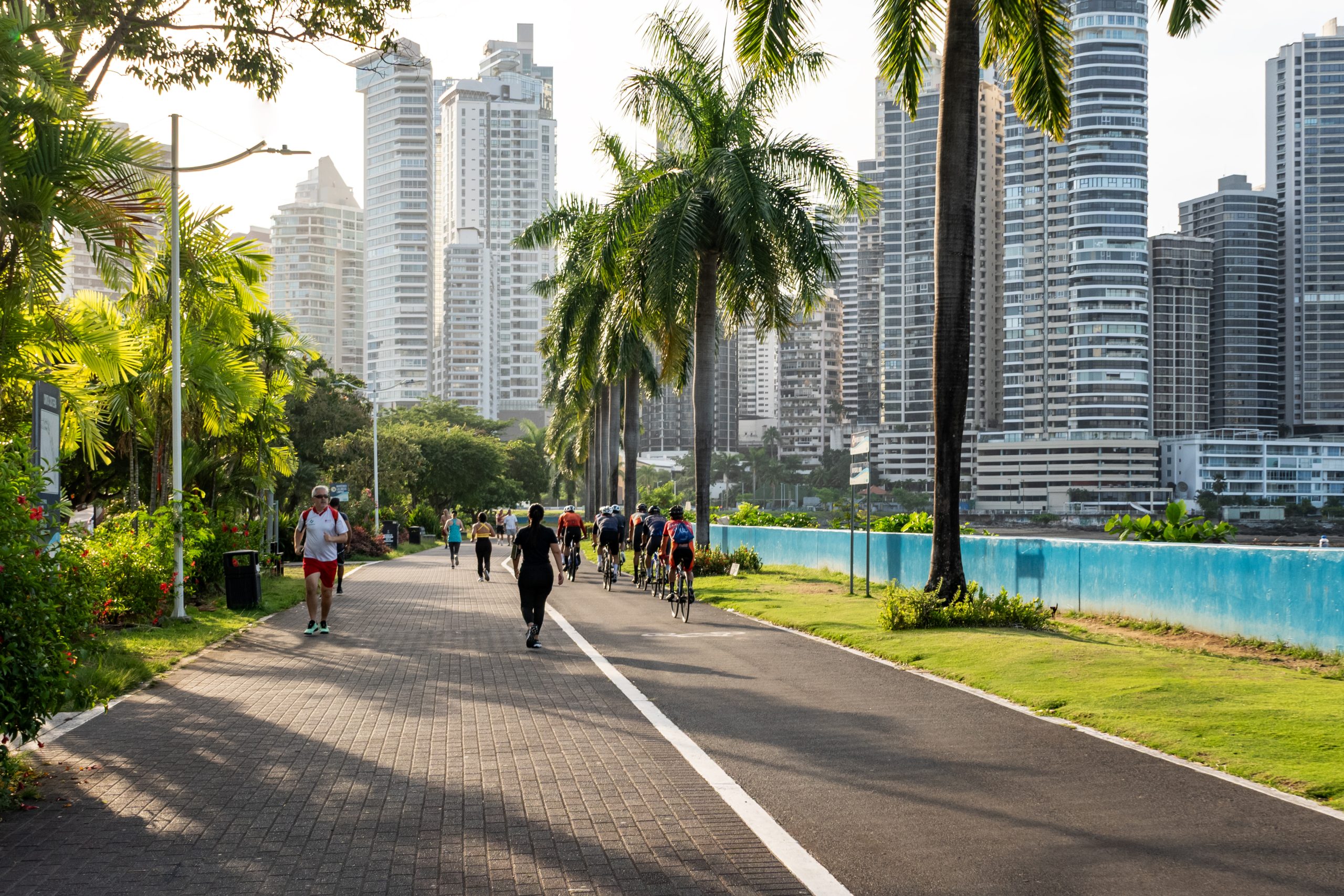
Today, cities are home to more than 55% of the world’s population — a figure expected to reach 68% by 2050, according to the United Nations. This accelerated growth raises a crucial question for those of us who design, build, and inhabit urban spaces: how can we ensure that our cities’ infrastructure enhances quality of life? The answer lies in intelligent planning.
One of the key considerations when developing a real estate project is how to create modern urban infrastructure. A few years ago, this concept may have been limited to roads or basic utility networks; today, it encompasses efficient mobility systems, accessible green spaces, digital connectivity, underground cabling, smart water and energy management, and design focused on pedestrian well-being.
In practice, talking about modern urban infrastructure means talking about decisions that are felt in everyday life. It is reflected when the commute to work stops being a source of stress because real mobility alternatives exist, when cities provide shade and walkable spaces, and when services operate continuously because they were designed to grow alongside demand.
In real estate developments, these variables are defined from the conceptualization of the master plan and become the essence of a well-thought-out project. Road connectivity without a pedestrian-focused approach, for example, can ultimately generate more congestion and reduce quality of life. In contrast, mixed-use developments, clear access points, integration with public transportation, and a network of nearby public spaces create more active, safer districts with a stronger sense of community.
In other words, modern infrastructure is the combination of engineering, design, and operations focused on human-centered outcomes.
From a practical perspective, this translates into three key questions for any urban or real estate development:
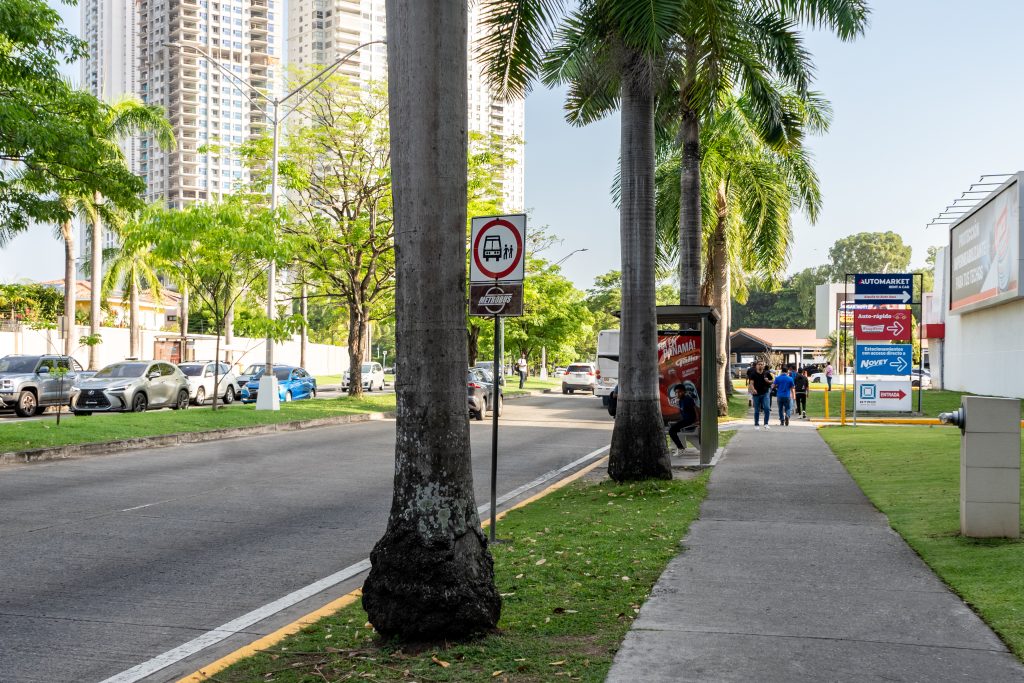
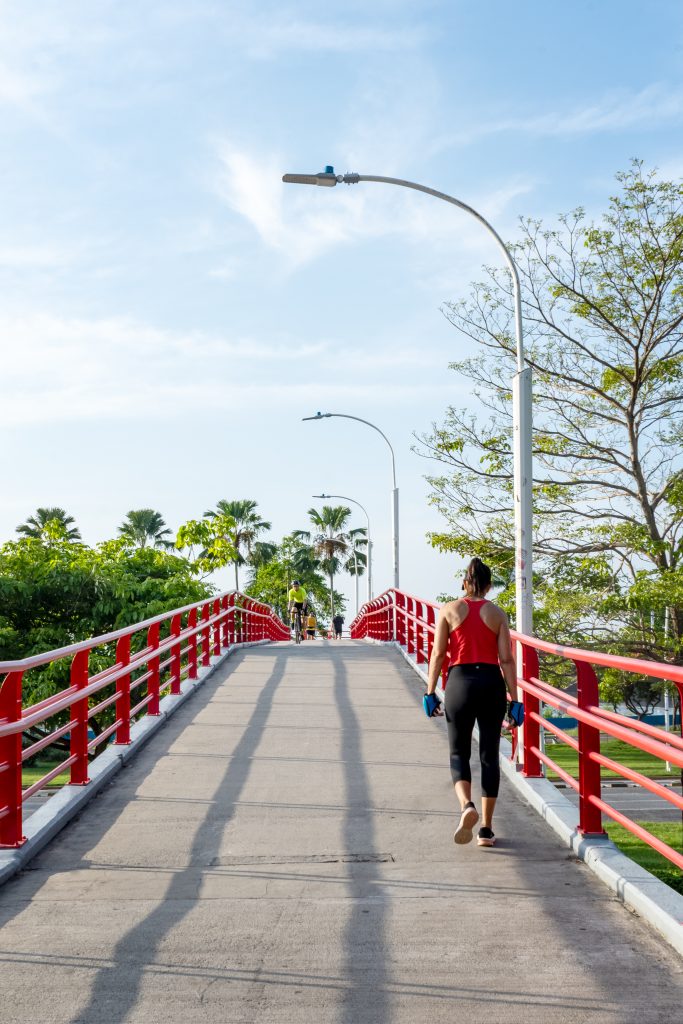
- How do people move? Not only by car, but also on foot, by bicycle, and through public transportation.
- How is public space experienced? Through shade, safety, universal accessibility, and a network of parks within walking distance.
- How is the city sustained? With water, energy, drainage, connectivity, and maintenance systems planned to grow without collapsing.
For this reason, the pillars of modern urban infrastructure should focus on:
Safe Multimodal Mobility
Modern mobility prioritizes efficiency and safety throughout the entire journey: continuous sidewalks, well-designed crossings, connected bike lanes, integration with public transportation, and intelligent traffic management.
Green Infrastructure and Climate Comfort
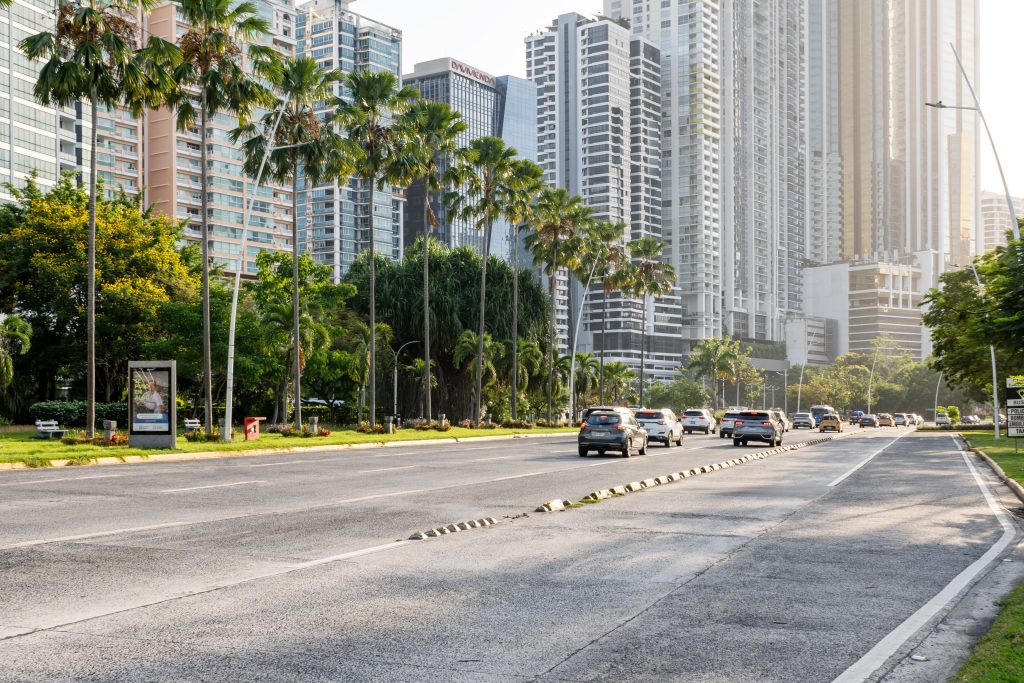
Trees, parks, green corridors, and permeable surfaces reduce the urban heat island effect, improve air quality, manage stormwater runoff, and make walking possible even in climates such as Panama’s.
Resilient Urban Services
Water and drainage systems prepared for extreme events, energy systems with capacity and redundancy, and solutions such as underground cabling or network micro-segmentation reduce failures, improve the urban landscape, and increase day-to-day reliability.
Panama is currently experiencing a moment of urban transformation. Projects that integrate these components are redefining what it means to live in the city.
At Locations Corp, we believe responsible real estate development is about creating environments where people can build community. Where walking is safe and enjoyable, where green spaces are just steps away, where underground infrastructure eliminates visual pollution, and where technology works in service of everyday well-being.
Every infrastructure decision is a quality-of-life decision. And every project that prioritizes these elements not only responds to present-day needs, but also builds sustainable value for the decades ahead. Modern urban infrastructure is the standard that will define the cities where we will all want to live.